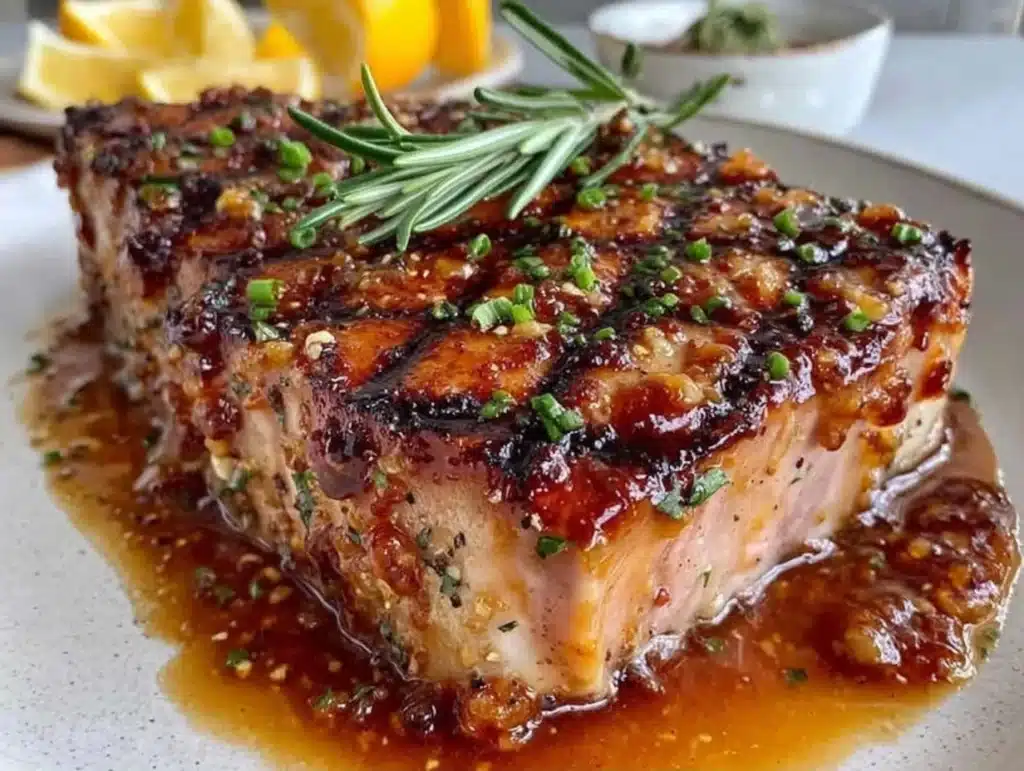
There is a specific sound that tells you dinner is about to get interesting. It’s the aggressive hiss of raw ahi hitting a screaming hot grill. Honestly, I used to be terrified of overcooking tuna. I remember the first time I tried making restaurant-style grilled ahi at home, I panicked. I left it on the grill for three seconds too long. The result? A dry, rubbery puck that tasted like regret. I almost gave up on the idea of cooking fish at home altogether.
But then, something clicked. I realized that high-quality ahi isn’t cooked like a chicken breast. It’s treated more like a steak. The key isn’t just heat; it’s respect for the ingredient. Once I stopped trying to “cook” it through and started searing it just enough to lock in the juices, everything changed. Now, this grilled ahi tuna steak is my go-to for impressing guests without spending hours in the kitchen. It feels fancy, but it’s actually incredibly simple.
Let’s face it, most people think you need a sous-vide machine or a professional kitchen to get that perfect rare center. You don’t. All you need is a hot grill and a little bit of confidence. I’ve tested this method so many times that I can do it blindfolded. The contrast between the charred, savory crust and the cool, buttery pink interior is pure magic. It’s the kind of meal that makes you feel like a culinary wizard, even if you’re just standing in your backyard.
This recipe bridges the gap between a quick weeknight dinner and a date night experience. It’s high in protein, low in carbs, and tastes like it came from a high-end sushi bar. If you’ve been intimidated by cooking fish, this is your sign to try it. The smell of the sesame oil and soy marinade filling the air is enough to make anyone hungry. Plus, the prep time is so short that you can have dinner on the table in under twenty minutes.
Why You’ll Love This Recipe
I’ve spent years perfecting this grilled ahi tuna steak technique. It’s not just about following instructions; it’s about understanding the behavior of the fish. After countless trials, I’ve learned that the secret lies in the marination time and the temperature of your grill. This isn’t just another fish recipe. It’s a method that guarantees a restaurant-quality result every single time. You know that feeling when you take a bite of food and your eyes close automatically? That’s what happens with this tuna.
- Quick & Easy: The entire process takes less than 15 minutes. The marinade works fast, and the grill cooks even faster. It’s perfect for busy weeknights when you want something healthy but don’t have hours to spend cooking.
- Simple Ingredients: You likely already have most of these items in your pantry. Soy sauce, sesame oil, garlic, and ginger are staples for a reason. You don’t need to make a special trip to the grocery store for obscure spices.
- Restaurant Quality: The sear creates a complex flavor profile that mimics high-end dining. The char adds a smokiness that balances the natural sweetness of the ahi. It’s the kind of dish that makes you look like a pro.
- Healthy & Satisfying: Ahi is packed with omega-3 fatty acids and lean protein. It’s filling without being heavy. You won’t feel sluggish after eating this. It’s clean fuel that tastes indulgent.
- Impressive Presentation: Slicing the tuna into medallions reveals that beautiful pink center. It looks stunning on a plate, making it ideal for dinner parties or when you want to treat yourself.
What makes this version different is the balance of flavors in the marinade. Many recipes go too heavy on the salt or the heat. I’ve dialed it back to let the natural flavor of the fish shine through. The sesame oil adds a nutty depth, while the ginger cuts through the richness. It’s a harmony of tastes that works on every level. This isn’t just good fish; it’s a soul-soothing experience that reminds you why you love cooking in the first place.
What Ingredients You Will Need
This recipe relies on the quality of the tuna above all else. Since the cooking method is so simple, any flaws in the fish will be obvious. You need fresh, sushi-grade ahi tuna. Look for a deep red color with no brown edges. The flesh should be firm to the touch and smell like the ocean, not fishy. If your local market doesn’t carry it, ask them to order it or check a high-end Asian grocery store. They often have the best selection.
- Ahi Tuna Steaks: You need two steaks, about 6 to 8 ounces each and 1 to 1.5 inches thick. Thicker steaks are easier to work with because they have a larger window for perfect cooking. Thinner pieces cook too fast and can dry out easily.
- Soy Sauce: Use a low-sodium soy sauce to control the saltiness. Regular soy sauce can be quite salty, so adjust accordingly. It provides the umami base that grounds the dish.
- Sesame Oil: Toasted sesame oil is non-negotiable here. It adds that distinct nutty aroma that defines Asian-inspired seafood. Make sure it’s the dark, toasted kind, not the light cooking oil.
- Fresh Ginger: Grate about one tablespoon of fresh ginger. Bottled ginger doesn’t have the same bright, spicy kick. Fresh ginger adds a warmth that complements the fish perfectly.
- Garlic: Two cloves of garlic, minced. Don’t skip this. Garlic adds a savory depth that balances the sweetness of the marinade. Minced garlic distributes flavor more evenly than chopped pieces.
- Green Onions: Three stalks, finely chopped. These add a fresh, oniony bite that contrasts with the rich tuna. They also look beautiful as a garnish.
- Red Pepper Flakes: A pinch, optional. If you like a little heat, this adds a nice background warmth. It wakes up the palate without overpowering the fish.
- Vegetable Oil: A neutral oil for greasing the grill grates. This prevents sticking, which is crucial for delicate fish. Olive oil can burn at high temperatures, so stick with vegetable or canola.
I recommend buying your tuna from a trusted source. If you’re unsure about the quality, ask the fishmonger how fresh it is. They should be able to tell you when it was caught or delivered. Also, keep the tuna refrigerated until the moment you are ready to cook it. Temperature control is key to maintaining that restaurant-quality texture.
Do I need to marinate the tuna for a long time?
No, you do not. In fact, long marination can “cook” the fish using the acid in the soy sauce, changing the texture. For this recipe, 15 to 30 minutes is the sweet spot. It allows the flavors to penetrate the surface without altering the raw texture of the center.
Equipment Needed
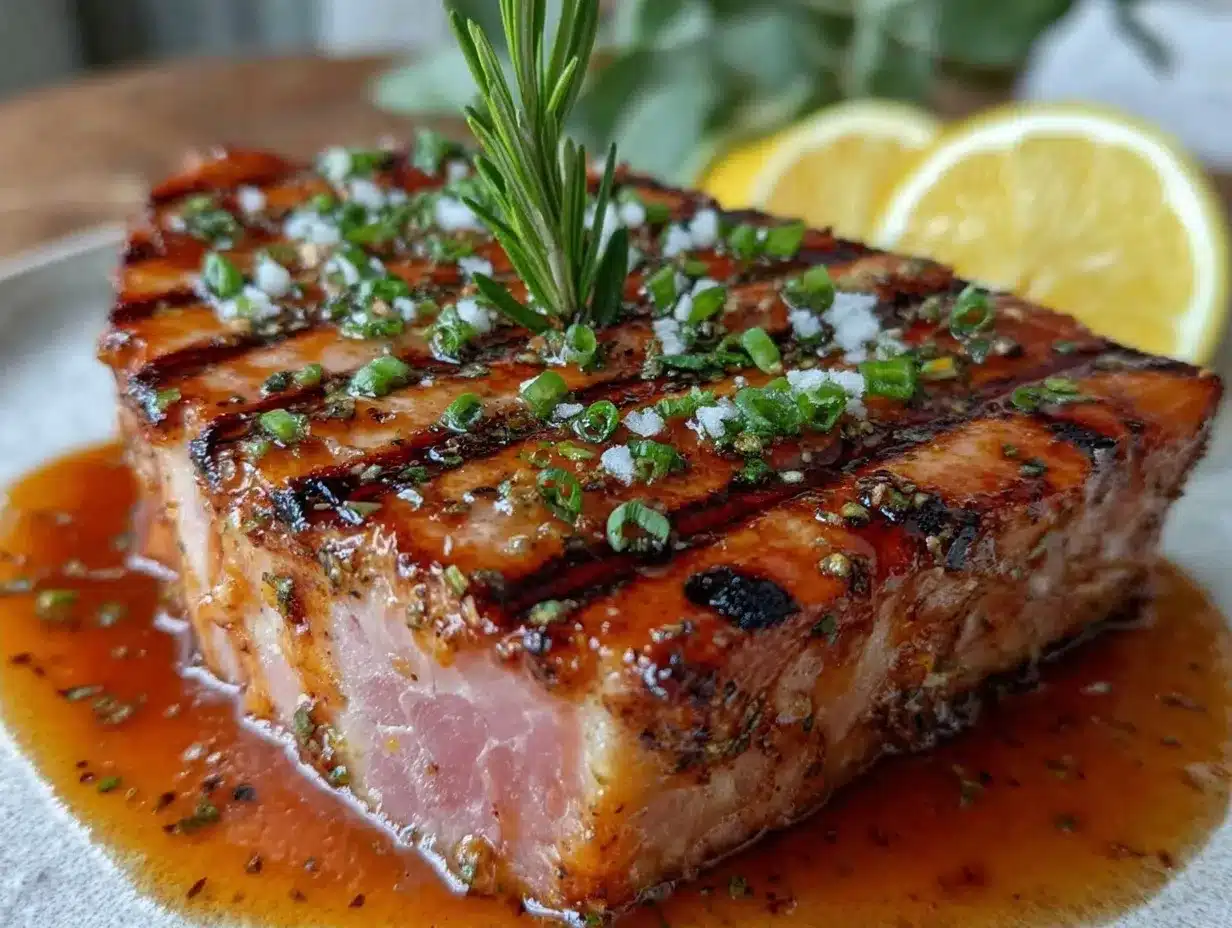
You don’t need a lot of fancy gear to make this dish, but having the right tools makes a huge difference. The most important piece of equipment is a grill. A charcoal grill is ideal because it provides that smoky flavor that gas grills sometimes lack. However, a gas grill works perfectly fine if you’re short on time. Just make sure it gets hot enough. If you’re cooking indoors, a cast-iron skillet is your best friend. It retains heat incredibly well and creates a great crust.
A meat thermometer is optional but helpful. Since ahi is best served rare to medium-rare, you want to pull it off the heat when the internal temperature reaches about 120°F to 125°F. This ensures it stays moist. If you don’t have a thermometer, use your finger. The tuna should feel firm but yield slightly, like the fleshy part of your palm when you touch your thumb to your index finger.
You’ll also need a sharp chef’s knife. Slicing the tuna against the grain requires a blade that is sharp enough to cut through cleanly without tearing the flesh. A dull knife will crush the tuna, making it look messy and affecting the texture. Keep your knife sharp, and you’ll be rewarded with beautiful, clean slices. A silicone basting brush is useful for applying the marinade evenly without wasting any of the flavorful liquid.
What if I don’t have a grill?
A cast-iron skillet is an excellent alternative. Heat the skillet over medium-high heat until it’s almost smoking. Add a little oil, then sear the tuna for the same amount of time as on the grill. The results will be very similar, with a nice crust forming on the outside. Just be prepared for some splattering, so keep an eye on it.
Preparation Method
Start by preparing your tuna steaks. If they have any silver skin or tough membranes, remove them with your knife. Pat the steaks dry with paper towels. This step is crucial because moisture prevents a good sear. If the tuna is wet, it will steam instead of sear. You want that aggressive char, so dryness is your friend here.
- Make the Marinade: In a small bowl, whisk together 2 tablespoons of soy sauce, 1 tablespoon of toasted sesame oil, 1 tablespoon of minced garlic, 1 tablespoon of grated fresh ginger, and a pinch of red pepper flakes. Whisk until the mixture is emulsified and smooth. The colors should blend into a rich, dark brown liquid. Taste it and adjust the seasoning if needed, though it should be bold enough on its own.
- Marinate the Tuna: Place the tuna steaks in a shallow dish or a zip-top bag. Pour the marinade over the fish, ensuring both sides are coated. If using a bag, squeeze out the excess air before sealing. Let it sit in the refrigerator for 15 to 30 minutes. Do not exceed 30 minutes, or the acid will start to break down the fish proteins too much.
- Preheat the Grill: While the tuna marinates, heat your grill to high. You want it to be screaming hot, around 450°F to 500°F. If using a gas grill, turn all burners to high. If using charcoal, spread the coals evenly. Let the grill heat up for at least 10 to 15 minutes. A hot grill is essential for a quick sear.
- Oil the Grates: Once the grill is hot, take a folded paper towel, dip it in vegetable oil, and use tongs to wipe the grates. This creates a non-stick surface. Be careful not to let the oil drip directly onto the coals, as it can cause flare-ups.
- Grill the Tuna: Remove the tuna from the marinade and let the excess drip off. Do not rinse it. Place the steaks on the hot grill. Close the lid if you have one. Grill for exactly 1 to 2 minutes on the first side. You want a dark, charred crust to form. Do not move the fish around. Let it sear.
- Flip and Finish: Flip the steaks carefully. Grill for another 1 to 2 minutes on the other side. For medium-rare, the total cooking time should be 2 to 4 minutes. The center should remain pink and rare. If you prefer medium, add another minute, but be careful not to overcook.
- Rest the Tuna: Remove the tuna from the grill and place it on a cutting board. Let it rest for 3 to 5 minutes. This allows the juices to redistribute throughout the steak. If you cut into it immediately, all the moisture will run out, leaving you with dry tuna.
- Slice and Serve: Using a sharp knife, slice the tuna steaks against the grain into 1/2-inch thick medallions. This cross-cutting technique tenderizes the meat and makes it easier to eat. Arrange the slices on a platter and garnish with chopped green onions.
Pay close attention to the color during the grilling process. The edges should turn opaque white as they cook, while the center remains a vibrant red-pink. This visual cue is more reliable than a timer. Every grill is different, so you may need to adjust the time slightly based on the thickness of your steaks.
Cooking Tips & Techniques
One of the biggest mistakes people make is trying to cook tuna like a steak. You don’t want a well-done tuna steak. It’s not a cow. Tuna is best served rare to medium-rare. If you cook it until it’s gray all the way through, it will be dry and tough. Trust me, I’ve been there. The texture becomes chalky, and you lose all the delicate flavor. Aim for a temperature of 120°F to 125°F for the perfect bite.
Another tip is to keep the tuna cold until it hits the grill. Take it out of the fridge right before you’re ready to cook. This temperature contrast helps create a better sear. If the tuna is warm, it will cook too quickly on the outside before the inside is ready. Keep your workspace organized so you can move quickly. You don’t have much time once the fish is on the grill.
Don’t flip the tuna more than once. Each time you lift it, you lose heat and risk sticking. Let the crust form. If it sticks to the grill, it’s not ready to flip. Wait another 30 seconds, and it should release easily. If you force it, you’ll tear the flesh. Patience is key here. Also, avoid pressing down on the tuna with your spatula. This squeezes out the juices and ruins the texture.
How do I know if the tuna is fresh?
Fresh ahi should have a firm texture that springs back when pressed. The color should be a deep, bright red, not dull or brown. The smell should be clean and oceanic. If it smells strong or fishy, it’s not fresh. Avoid buying tuna that has liquid in the packaging, as this indicates it has been sitting for too long.
Variations & Adaptations
While the classic soy-sesame marinade is my favorite, there are plenty of ways to customize this dish. You can try a miso glaze by mixing white miso paste with a little mirin and sugar. Brush it on during the last minute of grilling. The sugars in the miso will caramelize beautifully, adding a sweet and savory crunch. This variation is great for those who enjoy umami-heavy flavors.
For a spicy kick, add chopped jalapeños or a dash of sriracha to the marinade. This works well if you like your food with some heat. The capsaicin in the peppers complements the richness of the fish. You can also add a squeeze of lime juice at the end for a citrusy brightness. This cuts through the oil and adds a fresh note that lightens the dish.
If you’re looking for a gluten-free option, simply swap the soy sauce for tamari. Tamari has a richer flavor and is naturally gluten-free. It works exactly the same way in the marinade. For a dairy-free and low-carb version, this recipe is already perfect. Just ensure your soy sauce doesn’t contain any added sugars if you’re strictly watching your carb intake.
Can I use frozen tuna?
Yes, but it must be sushi-grade frozen tuna. This type of tuna is flash-frozen at sea, which preserves the quality and kills parasites. Thaw it slowly in the refrigerator overnight. Do not thaw it at room temperature or in warm water, as this can affect the texture. Pat it dry thoroughly before marinating.
Serving & Storage Suggestions
This grilled ahi tuna steak is best served immediately while it’s warm. Pair it with a light, refreshing side dish to balance the richness. A simple cucumber salad with rice vinegar and sesame seeds is a classic choice. You can also serve it over a bed of quinoa or steamed broccoli. A drizzle of ponzu sauce adds a tangy element that complements the smoky char.
For beverages, a crisp white wine like Sauvignon Blanc or a light-bodied Pinot Noir works well. If you prefer non-alcoholic options, try sparkling water with a slice of lime or a ginger tea. These drinks cleanse the palate and enhance the flavors of the fish.
If you have leftovers, store them in an airtight container in the refrigerator for up to two days. Reheat gently in a warm oven or microwave at low power. Be careful not to overheat, as this will make the tuna tough. You can also slice the cold tuna and add it to a salad. Cold ahi tuna is delicious in a poke bowl with avocado and edamame.
How long does the tuna stay fresh?
Once cooked, the tuna should be consumed within 24 hours for the best quality. While it can last up to two days in the fridge, the texture may change. It’s best enjoyed fresh. Always smell the tuna before eating. If it has an off odor, discard it.
Nutritional Information & Benefits
Ahi tuna is a nutritional powerhouse. It’s an excellent source of high-quality protein, which is essential for muscle repair and overall health. It’s also rich in omega-3 fatty acids, which are known to support heart health and reduce inflammation. These healthy fats are crucial for brain function and cognitive health.
One serving of this grilled ahi tuna steak contains approximately 200 calories, 30 grams of protein, and 8 grams of fat. It’s low in carbohydrates and sugar, making it ideal for keto or low-carb diets. The marinade adds minimal calories, mostly from the soy sauce and sesame oil. It’s a guilt-free indulgence that satisfies your cravings without the heavy aftermath.
Incorporating more fish into your diet can improve your overall well-being. The lean protein keeps you full longer, reducing the likelihood of snacking between meals. Plus, the healthy fats support your skin and hair health. It’s a small change that can have a big impact on your health over time.
Is ahi tuna high in mercury?
Ahi tuna does contain mercury, but it’s considered a lower-mercury fish compared to larger predators like swordfish. The FDA recommends limiting consumption to one serving per week for certain groups. However, for most healthy adults, enjoying this dish occasionally is perfectly safe. Always source your tuna from reputable suppliers to ensure quality.
Conclusion
Making restaurant-style grilled ahi tuna steak at home is easier than you think. It doesn’t require fancy equipment or hours of prep. With a hot grill, a simple marinade, and a little bit of practice, you can create a dish that rivals any sushi bar. The key is to treat the fish with respect and cook it quickly. Don’t overcook it, and let the natural flavors shine through.
I encourage you to try this recipe and customize it to your taste. Add your favorite spices, try different marinades, or pair it with your favorite sides. Cooking is about experimentation and finding what works for you. This dish is a canvas for your creativity. Share your results with friends and family. You’ll be surprised at how impressed they are.
Thank you for joining me in the kitchen. I hope this recipe brings you joy and delicious meals. If you try it, let me know how it turned out. Leave a comment below with your thoughts or photos of your creation. I love seeing how others adapt these recipes. Happy cooking!
Do you have any tips for grilling fish?
Always oil the grates before adding the fish. This prevents sticking. Also, keep the lid closed as much as possible to maintain heat. This helps cook the fish evenly and creates a better sear. Don’t flip the fish too often. Let it cook undisturbed for the recommended time.
FAQs
What temperature should I grill ahi tuna?
You should grill ahi tuna on high heat, around 450°F to 500°F. This high temperature ensures a quick sear that locks in juices and creates a flavorful crust. Cooking it quickly prevents the fish from drying out.
How do I know when the tuna is done?
Ahi tuna is best served rare to medium-rare. The center should remain pink and cool. The total cooking time is usually 2 to 4 minutes, depending on thickness. Use a meat thermometer to check for an internal temperature of 120°F to 125°F.
Can I marinate the tuna overnight?
No, it’s not recommended. The acid in the soy sauce will start to “cook” the fish, changing its texture to be mushy. A 15 to 30-minute marination is sufficient for flavor penetration without compromising the texture.
What side dishes go well with grilled ahi?
Light, fresh sides work best. Try a cucumber salad, steamed asparagus, or quinoa pilaf. These sides complement the rich flavor of the tuna without overwhelming it. A drizzle of ponzu sauce also adds a nice tangy contrast.
Is sushi-grade tuna safe to eat raw?
Yes, sushi-grade tuna is frozen at extremely low temperatures to kill parasites, making it safe to eat raw or undercooked. Always buy from a trusted source that specializes in high-quality seafood. Regular supermarket tuna may not be safe for raw consumption.
Pin This Recipe!
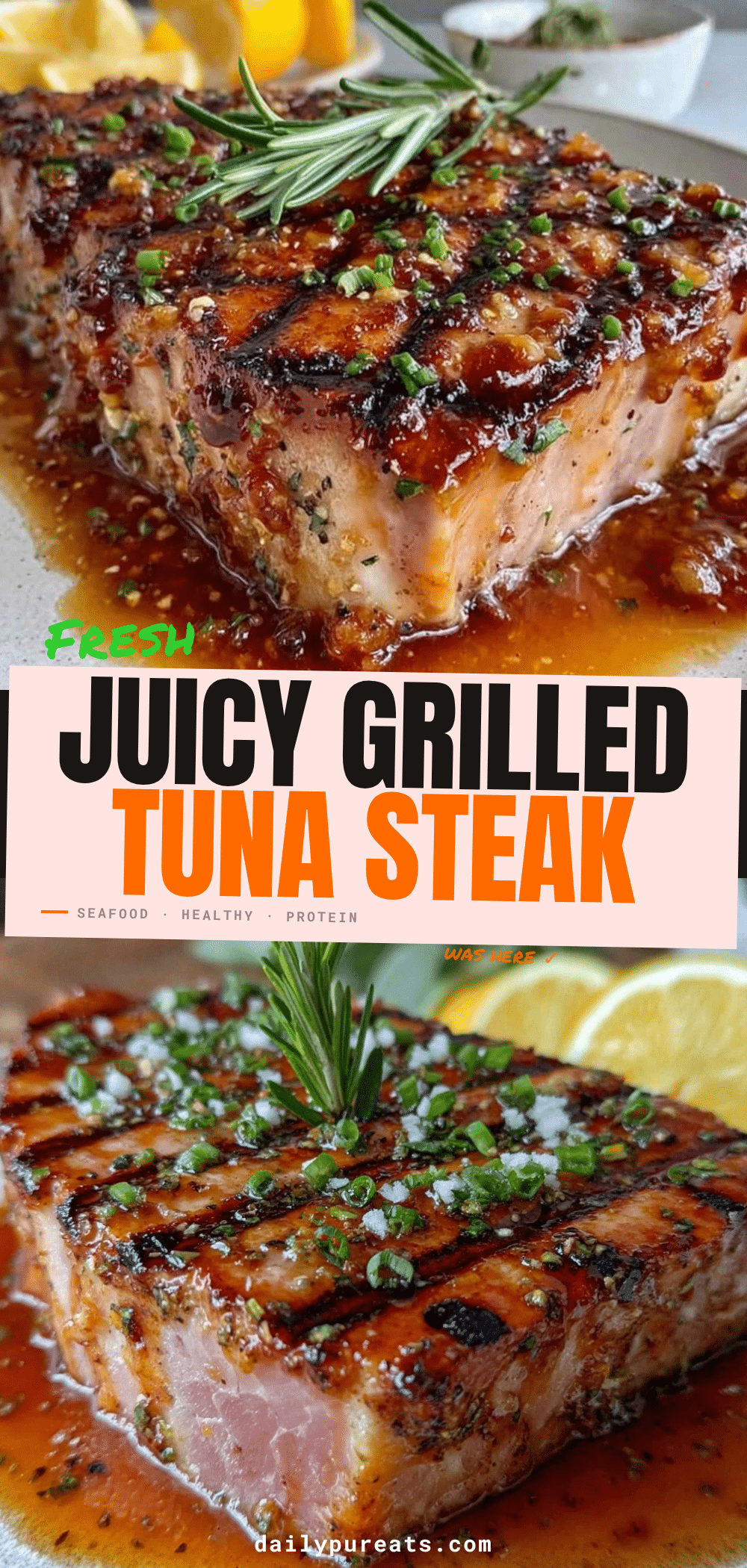

Grilled Ahi Tuna Steak: Best Restaurant Style Recipe
- Total Time: 20 minutes
- Yield: 2 servings 1x
Description
A simple yet impressive restaurant-style grilled ahi tuna steak recipe that takes less than 20 minutes. The key is a quick soy-sesame marinade and a high-heat sear to keep the center rare and juicy.
Ingredients
- 2 Ahi tuna steaks (6–8 ounces each, 1–1.5 inches thick, sushi-grade)
- 2 tablespoons low-sodium soy sauce
- 1 tablespoon toasted sesame oil
- 1 tablespoon fresh ginger, grated
- 2 cloves garlic, minced
- 3 green onions, finely chopped
- Pinch of red pepper flakes (optional)
- Vegetable oil (for greasing grill grates)
Instructions
- Pat the tuna steaks dry with paper towels to ensure a good sear.
- In a small bowl, whisk together soy sauce, sesame oil, minced garlic, grated ginger, and red pepper flakes.
- Place tuna in a shallow dish or zip-top bag and pour marinade over it. Refrigerate for 15-30 minutes.
- Preheat grill to high heat (450°F-500°F) for at least 10-15 minutes.
- Fold a paper towel, dip in vegetable oil, and use tongs to wipe the grill grates clean.
- Remove tuna from marinade, letting excess drip off. Place steaks on the hot grill.
- Grill for 1-2 minutes on the first side without moving the fish to form a charred crust.
- Flip steaks and grill for another 1-2 minutes on the second side for medium-rare.
- Remove tuna from grill and let rest on a cutting board for 3-5 minutes.
- Slice the tuna against the grain into 1/2-inch thick medallions and garnish with green onions.
Notes
Do not marinate for longer than 30 minutes as the acid in the soy sauce can ‘cook’ the fish. Ensure the tuna is sushi-grade if eating rare. Keep the tuna cold until it hits the grill for the best sear. Do not flip more than once.
- Prep Time: 15 minutes
- Cook Time: 5 minutes
- Category: Main Course
- Cuisine: Asian
Nutrition
- Serving Size: 1 tuna steak (6-8 oz
- Calories: 200
- Sugar: 1
- Sodium: 400
- Fat: 8
- Saturated Fat: 1
- Carbohydrates: 2
- Protein: 30
Keywords: grilled ahi tuna, sushi grade tuna, healthy seafood, low carb dinner, quick weeknight meals, restaurant style tuna, keto friendly